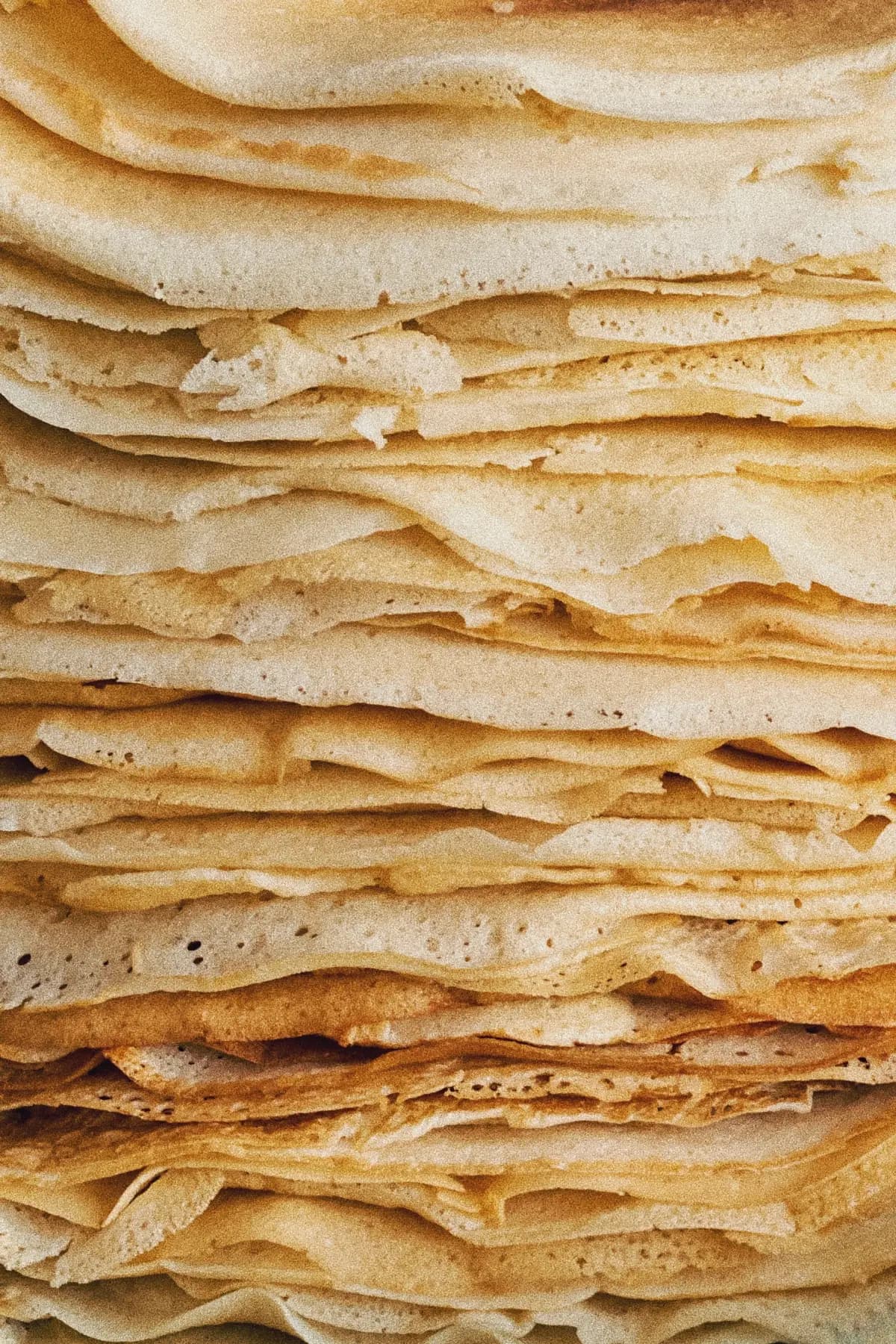
Les crêpes de la chandeleur, Bretagne
Candlemas was originally a religious festival, marking the end of the winter solstice and the arrival of spring. The crêpe is said to symbolise the return of the sun. When it comes to enjoying the best crêpes, Brittany is the place to be! Whether it’s a Breton buckwheat galette, sweet or savoury, there’s something to suit every taste! Candlemas is celebrated on 2 February.
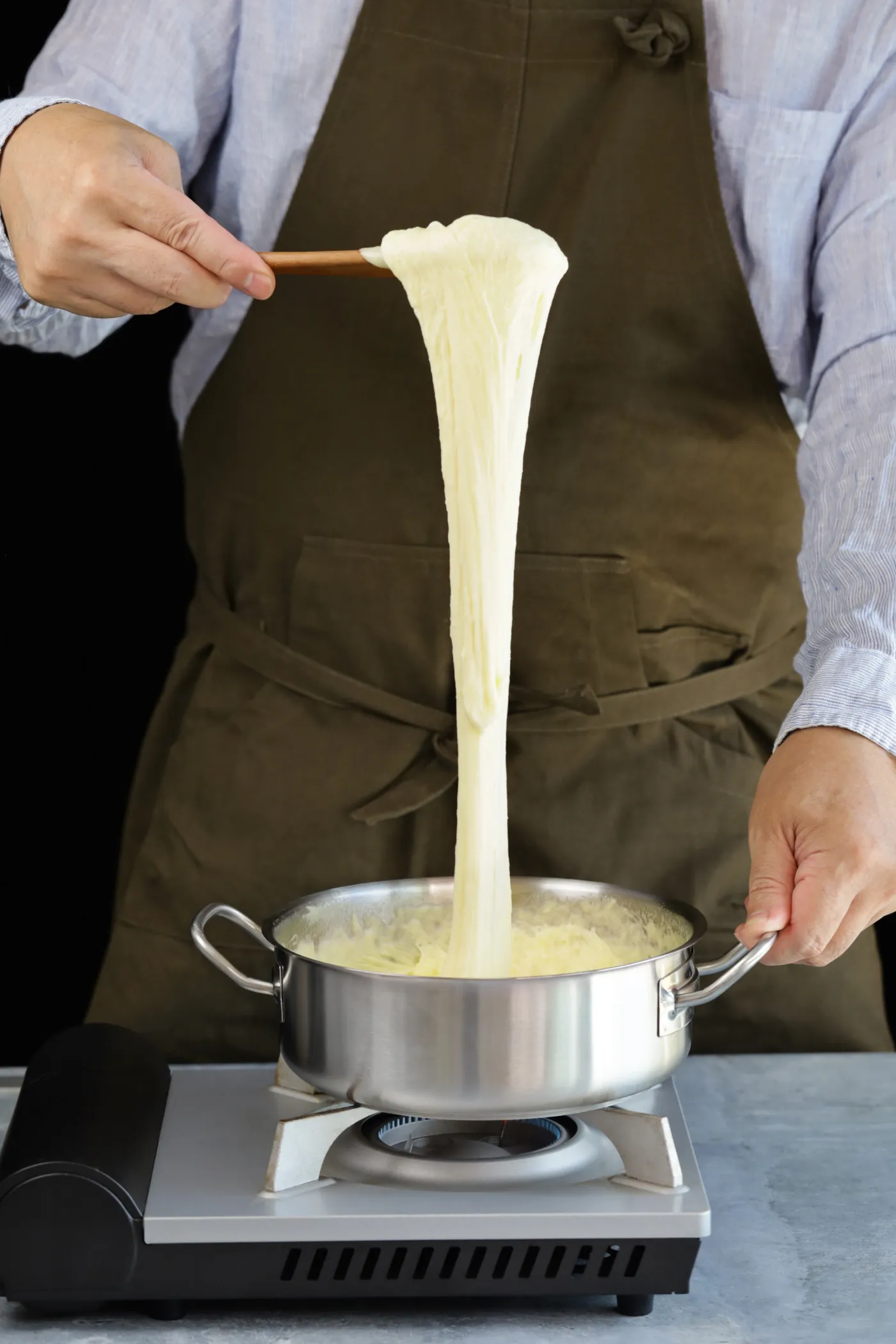
L’Aligot, Aveyron
Aligot is a traditional French dish dating back to the 12th century. It is said to have originated with the monks of Aubrac, who are believed to have invented this recipe to feed pilgrims on their way to Santiago de Compostela. This dish is quite simply made from mashed potatoes, fresh Tome d’Aubrac cheese, cream, butter and garlic. There’s nothing more comforting on a winter’s day!
Le Mont d’Or, Jura
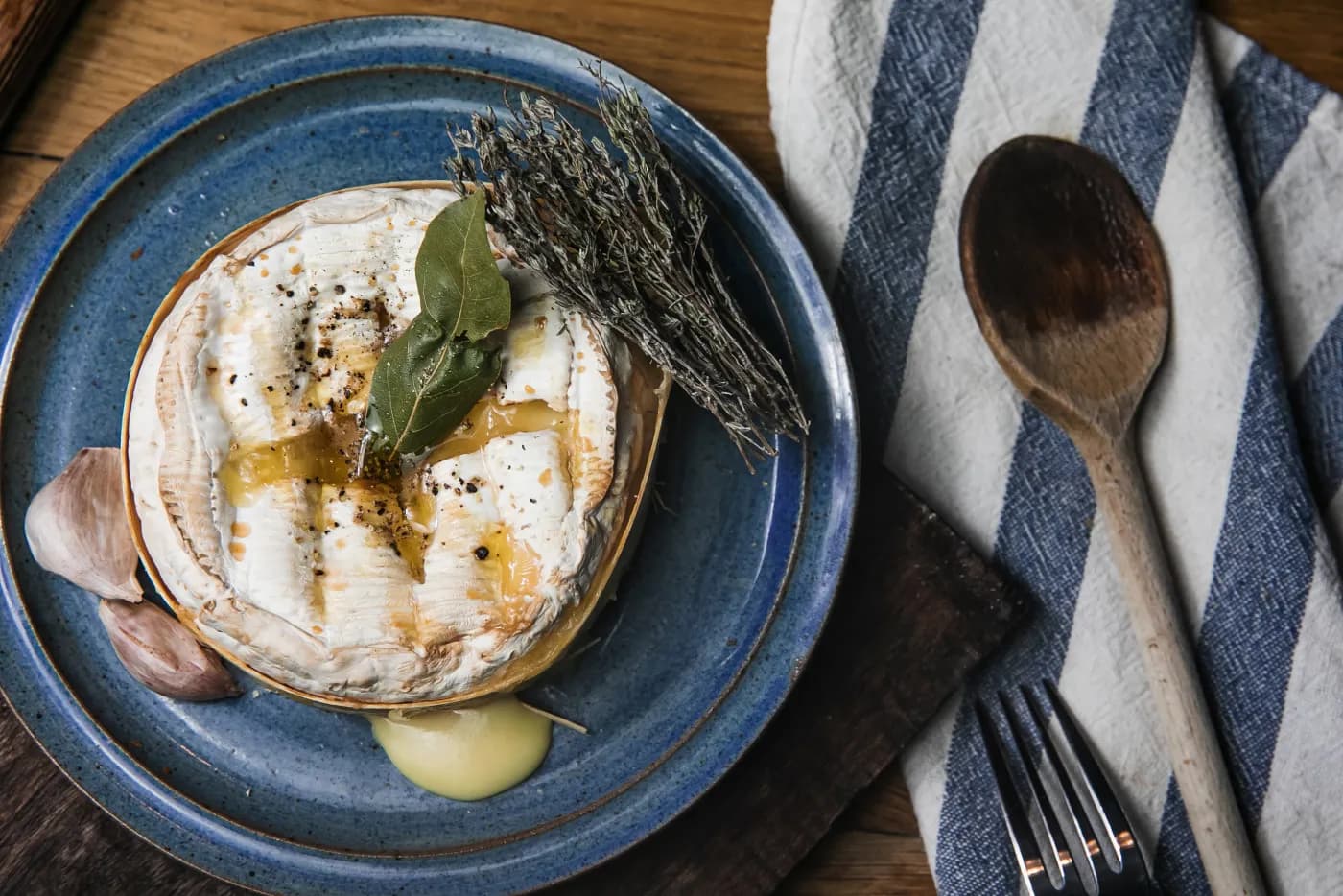
Its production arose from a natural and historical necessity. In winter, with the snow and cold, the cows (of the Montbéliarde or Simmental breeds) produced less milk, and the impassable roads prevented it from being transported to the co-operatives to be made into large wheels of Comté. The mountain farmers therefore devised a small soft cheese wrapped in a strip of spruce bark, which is easy to produce in smaller quantities during the colder months. It is enjoyed as a ‘boîte chaude’: there’s nothing better for warming you up in winter.
Les 13 desserts, Provence
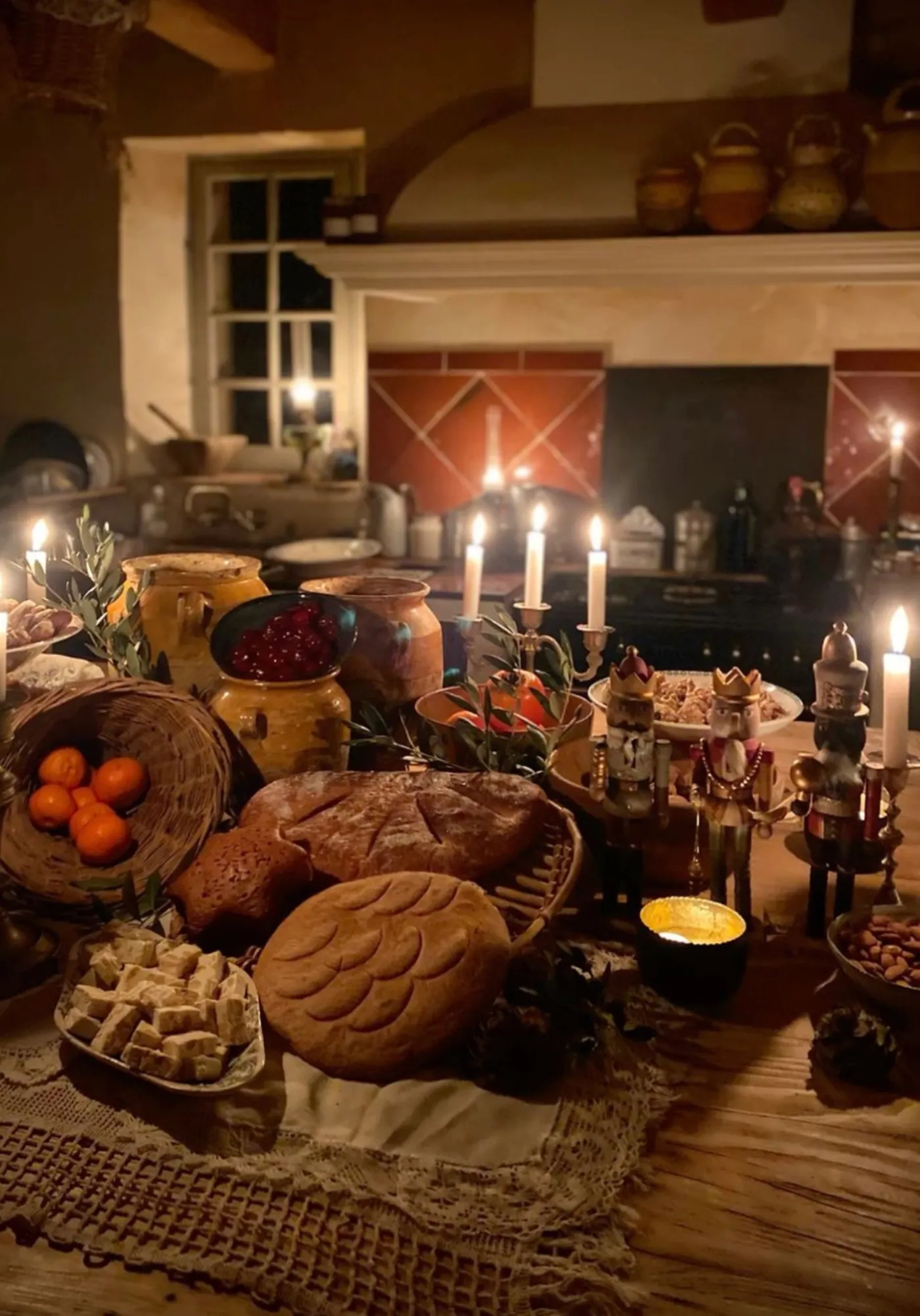
The 13 regional desserts traditionally represent Christ and his twelve apostles. Although the desserts vary according to region and local traditions, here is a list of the most popular ones: pompe à huile, dried figs, almonds, raisins, walnuts, white and dark nougat, dates, quince paste, calissons d’Aix, seasonal fruits such as oranges or clementines, and finally, the Christmas melon!
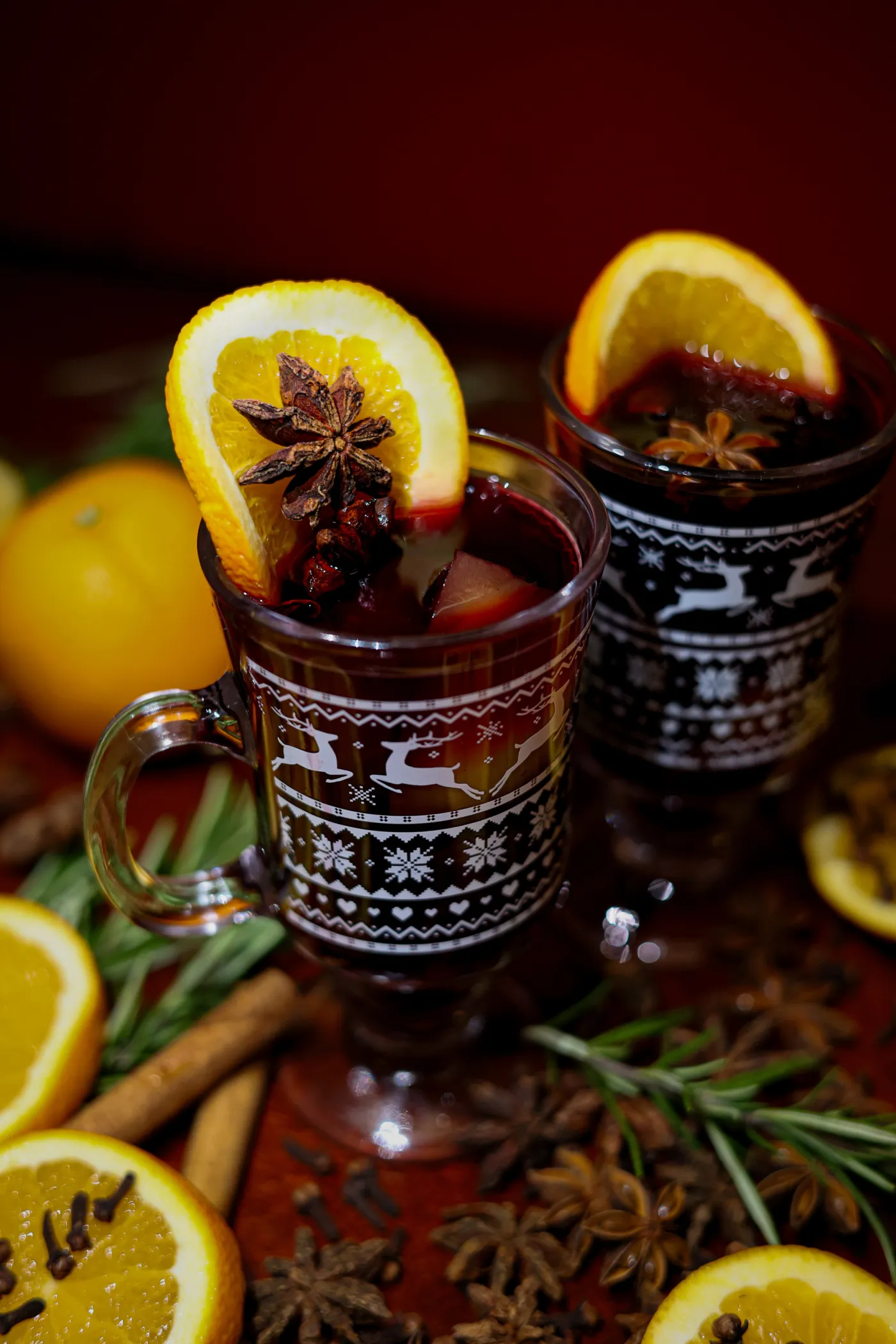
Le vin chaud, Alsace
Mulled wine is a very popular drink during the Christmas festive season. It is usually made with red wine, though white wine can also be used, and is flavoured with spices such as cinnamon, cloves, star anise, nutmeg and sugar, as well as a fruity touch from slices of orange. If you want to try the best mulled wine, you should head to Alsace, more specifically to the Christmas market in December!